



Master Reading Opponents and Controlling Emotions to Win
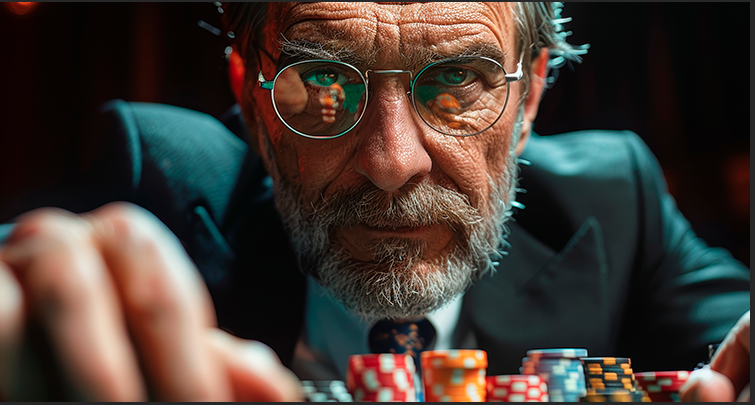
Poker Psychology: Master Reading Opponents and Controlling Emotions to Win
Poker is more than a card game—it's a mental battle where psychology plays a key role. Being able to read your opponents, manage your emotions, and manipulate perceptions can turn average players into consistent winners. Mastering poker psychology elevates your strategic game.
What is Poker Psychology?
Poker psychology involves understanding and influencing human behavior at the table. It’s about interpreting cues, predicting decisions, and staying mentally sharp, even under pressure.
Tells: The Art of Reading Opponents
- Live tells: Nervous gestures, shifting eyes, shaky hands, or irregular chip handling often reveal emotional states.
- Verbal tells: Tone changes, over-explanations, or delays in response can indicate discomfort or bluffing.
- Online tells: Timing patterns, quick bets, or hesitation online can serve as virtual tells if you’re observant.
Table Image: Controlling How Others See You
Your table image influences how opponents respond to your moves. Use it strategically:
- A tight image helps sell big bluffs.
- An aggressive image can force folds even with weaker hands.
- Shifting styles keeps opponents off balance and prevents pattern recognition.
Emotional Management: Avoiding Tilt
Tilt is a common psychological trap in poker. Emotional instability leads to poor decisions and bankroll losses. To stay sharp:
- Acknowledge frustration early before it affects your game.
- Set limits on losses, sessions, and breaks.
- Practice breathing or mental reset techniques between hands.
- Reflect post-session to improve self-awareness.
Opponent Profiling: Know Who You’re Playing
- Aggressive players: Bet often and bluff regularly. Trap them with strong hands.
- Passive players: Call frequently but rarely lead. Pressure them with value bets.
- Unpredictable players: Vary their style. Observe carefully before making big moves.
- Solid players: Balance their game. Patience and adaptability are key to beating them.
Conclusion
Your brain is your greatest weapon in poker. By mastering psychology, you can exploit behavioral patterns, resist emotional pitfalls, and maximize your edge. In poker, it’s not just about the cards—it’s about how well you read the room.
Want to level up your game? 🧠 Master poker psychology to gain a real advantage.
You may also like
Types of poker bets: value, semi-bluff and bluff bets
Poker bets are the oil that lubricates all the machinery of the game. Thanks to them there is an objective to play for in cash games, and they are an element that allows us to put part of our stack...

Freeroll poker tournaments: what are they and how do they differ from more traditional tournaments?
There are many reasons for the success of online poker. Playing whenever and wherever you want is undoubtedly the main reason why a good number of card fans have switched to online poker.In additio...

What is chip dumping in poker and why is it illegal?
Poker, like any other card game, is not exempt from the mischief and bad faith of some of the players who try, by all means, to find a way to cheat the rest of the players, as well as the game supe...
Promotions